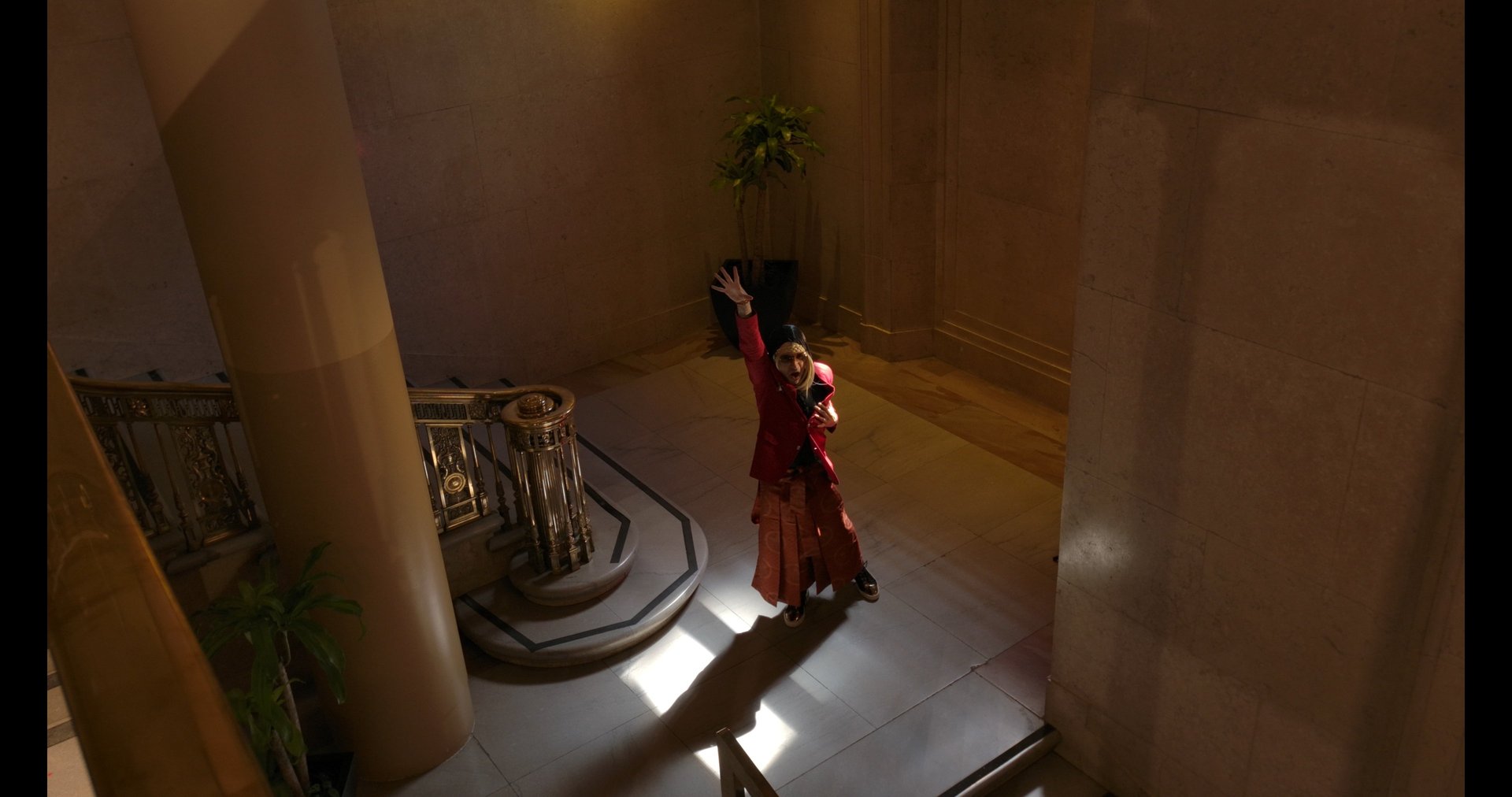
K-Pop's answer to A Star is Born & Black Swan
1st Global K-pop film
KBS Interview preview
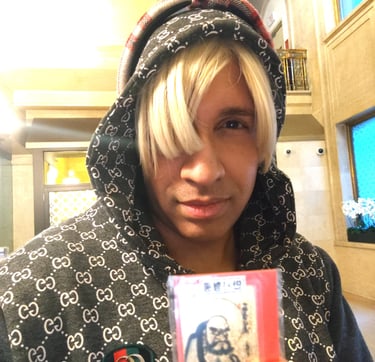
Interview with SØHØ by KBS
Q: Tell us a bit about yourself:
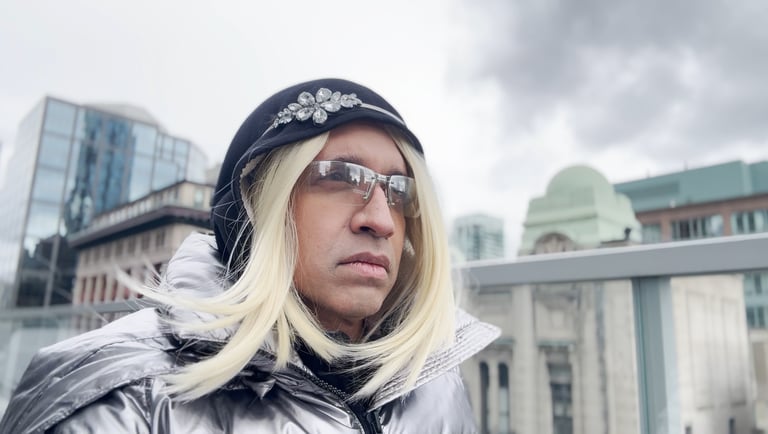
Soho: I was born in Canada and received a unique and historic honor from the Estate of Asia's first Nobel-Laureate Tagore who is popular in Korea for saying Korea was a beacon of Asian civilization. Tagore dreamed of a Pan-Asian Cultural Alliance to preserve the great Asian civilizations of Korea and improve ties with Japan and China. I'm blessed to have represented the Global Asian community at the world's top forums -- from the Olympics to the US Congress -- and am now producing films that can give a cool, creative and convincing voice for Asians and Asian culture. Like Jennie's ground-breaking video Zen pays tribute to Korea's Silla culture in a modern and mainstream way, I am working on films that will be as cool as anything you see in the West but with a soul that belongs to the East for we Asians must cultivate pride in our identity. That is why I'm working on feature films set in Asian powerhouses of Korea and Japan and also building a Historic Asian Art Museum as well as releasing a unique East West fashion line that promotes Asian culture in a unique way. Indeed history in the making!
Q: Tell us about the film "Destiny: A Star is Reborn"
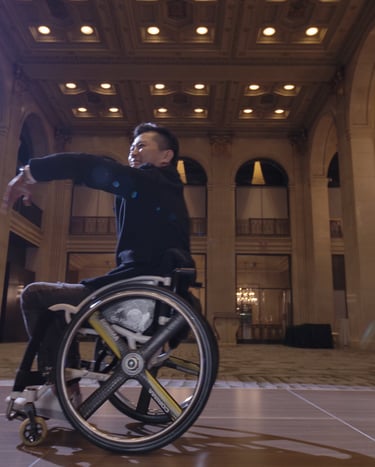
Soho: This film is the first Global KPop Feature film as the record-setting Kpop Demon Hunters is the first Kpop Animated classic! like Canada and Korea's answer to dance classics from the recent blockbuster Michael to the Oscar-winning Black Swan. The story of "A Star is Born" has been filmed 4 times winning 25 Oscar-nominations -- from Barbara Streisand to Lady Gaga. Destiny: A Star is Reborn is a unique and powerful twist of this quintessential story because instead of suicide, the main protagonist makes a comeback against all odds. And instead of being set in the world of American Rock, it is set in the world of Korean K-Pop, K-fashion and K-dance which today are a far bigger global pop culture phenomenon. So its a unique and inspirational dance film about overcoming adversity in pursuit of your destiny which is different from the standard "chasing your dreams" scenario. Often you have dreams but things don't work out as you hoped for or tragedies befall you. It's then that you must have faith and courage in fulfilling your destiny instead of turning to despair, or worse, suicide. In the Oscar-nominated film "What's Love Got To Do With it", Tina Turner uses Eastern culture to overcome a suicide attempt and then goes on to become the biggest female rocker of all time -- despite being of the wrong age and race at the time as a 40-something Black American woman. So Destiny: A Star is Reborn is a unique Korean version of Rocky meets Star is Born with an 8 Mile styled rawness-- but in the world of K-Pop thus tackling the many issues and challenges of being a pop-star without recycling cliches from other coming of age films. And like BTS is known for serious themes in their songs, this film deals with ableism and disabilities, alcohol abuse, depression, racism, ageism, suicide and a myriad of issues - in a subtle, nuanced and non-preachy way sans melodrama or virtue signalling.
Q: Explain your connection to the Oscar-winning giant Satyajit Ray and how has he influenced you as a filmmaker.
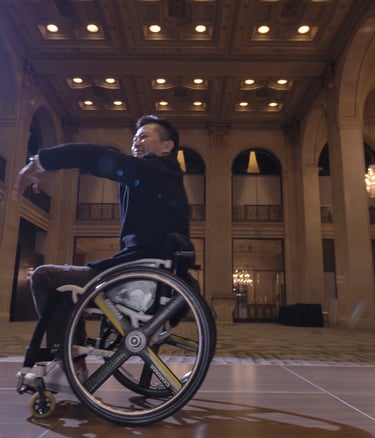
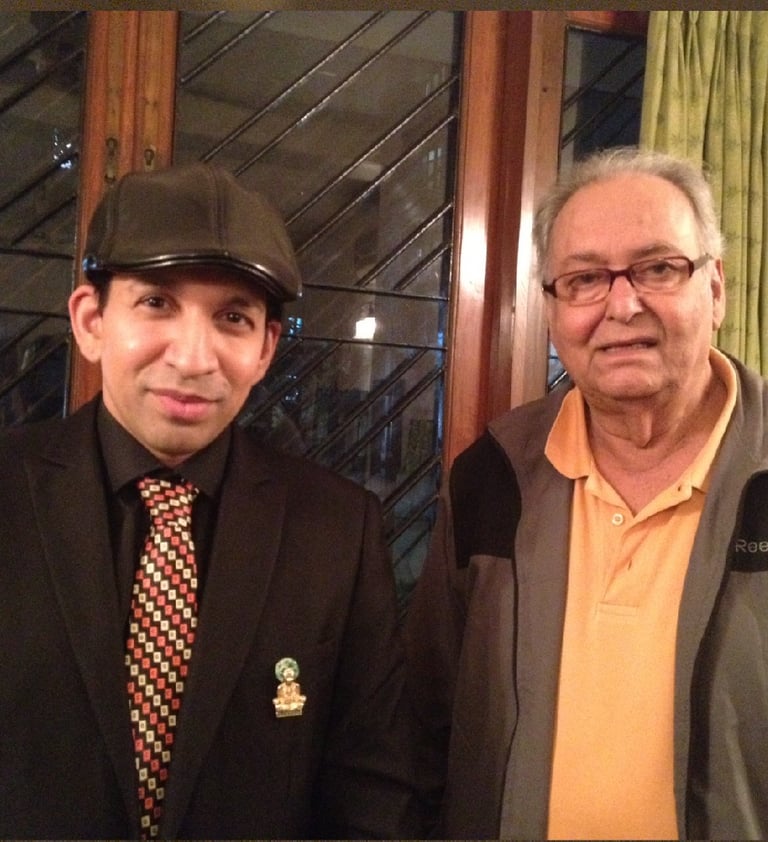
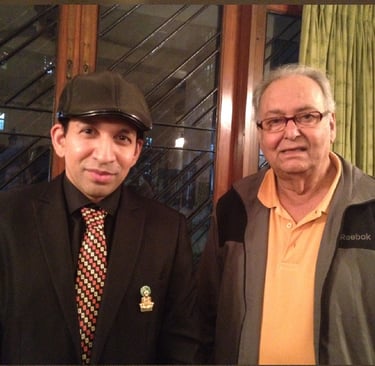
Soho: Satyajit Ray is widely considered one of history's greatest filmmakers -- who even influenced Oscar-winning giants like Martin Scorcese, Danny Boyle and Christopher Nolan. Ray's closest ever associate was the legendary actor and winner of the highest French award -- the Legion of Honor Soumitra Chatterjee - who played Apu in the historic Apu Trilogy widely considered one of the top 10 films of all time. Soumitra Uncle was also the star of a record 14 films by Ray and so knew Ray's cinematic style more so than anyone and he even "wrote the book on Ray". I knew Soumitra Uncle for decades -- ever since I was a kid -- and we worked together on short films to master the entire process of filmmaking -- from screenwriting to acting on camera. We have had many meetings at his home, over the phone and even on film sets for me to learn the techniques of Ray first-hand. Soumitra Uncle taught me to be multifaceted like Satyajit Ray —who despite having a great team could also handle all aspects of a film himself. An expert in Neorealism, Ray would often cast real people who best embodied the characters he was portraying more so than just conventional movie stars and even Soumitra would remind me that he was quite unknown when Ray cast him as Apu. The same technique of casting newcomers can be seen in the Harry Potter series for example. Like Ray, I too use Neorealism by casting a real-life paraplegic MJ Baek instead of hiring an actor to pretend to be disabled and thus fake the emotions of pulling yourself out of extreme despair. In fact, MJ became paralyzed on his first movie set but went on to win 100 medals including Korea's highest national honor and so the inspirational spirit is real, not "feel-good make-believe". Further, Soumitra Uncle introduced me to Zhang Yimou who is also inspired by Ray and whose visuals are striking. Like Yimou, I too coordinate costumes with sets in lavish colors of gold, red and black to make each scene reflect old school Hollywood glamour. I also spent a lot of time with Satyajit Ray's Master of Photography Nemai Ghosh who was with Satyajit Ray for 25 years and gave me many tips from his first hand witnessing of Ray's multitalented genius and his ability to make compelling cinema despite budget constraints.
Q: How did you train to play the lead role in Destiny?
Soho: Like Jaafar Jackson, I trained hard to master a plethora of dance moves with a precision that reflects the architects of modern dance films -- from Fred Astaire and Bob Fosse to Michael Jackson and even BTS. Even independent films cost a lot of money and time and so the financiers wanted to find a newcomer who could be the ultimate underdog and yet convey the inspirational spirit of the film in a unique way. Its hard to find an actor who can dance (without body doubles) or to find a dancer that can act (without being overtly theatrical) and so I had to audition for a team of music industry experts who worked with major recording acts and performers including Usher and Chris Brown. They loved my unique fashion sense and what they called the "style, fluidity and precision of my dance moves". Also, as I knew the Olympic spirit and motivation better than anyone and as I am unique in my look and appearance, they felt I would be the ultimate underdog -- opposite of the cookie cutter image of an "idol"-- and so relatable to everyone who is the quintessential "long shot outsider". Even BTS and Blackpink were initially underdogs as Asians in a Western dominated industry and then Lisa and Sakura were underdogs as non-Korean artists in Korea. So it made sense for me to play this ultimate underdog outsider -- not a pampered "pretty boy" pretending to be one. Same for MJ Baek who is a real paraplegic actor and so really knows what it is like to rebuild after a tragedy. I trained for many hours a day to make sure I could pull off every dance move myself -- without any body doubles. I entirely re-sculpted my physique to have the 6-pack washboard abs of a dancer or Bollywood movie star. And as I was also directing, I had to just know by the feeling if the take was ok or had to be redone -- because it's not always possible to interrupt the flow by studying the monitor after every shot - especially as were filming on these grand Hollywood sets and using long-shots to depict the character's isolation. Then I literally became the character on and off set -- and created unique traits. For example, a rocker can look shabby to show depression but a Kpop star always looks like a fashion model -- always -- even on his worst day -- as BTS leader RM roars "Everyday we Vibin... Micdrop Bam!". Therefore I could not rely on makeup and a dishevelled wardrobe to show depression but had to really convey depression trapped within my fashionable facade. Similarly, a rocker can stumble around when drunk but a dancer will inherently move with grace even when inebriated. I rarely drink myself as I am a health freak so had to consume alcohol to understand the feeling of being drunk and yet in denial. Similarly, in the movie I am recovering from brain surgery and so I spent time in hospitals and decided that instead of hiding behind sympathy-seeking bandages, I would use creative hairstyles to cover the scarring -- the same way Michael Jackson did when his scalp got burned during a Pepsi commercial. In fact my real hair is long and black but I use the blonde highlights as a trademark style that also has a lot of symbolic meaning. So my job was to make it look easy though delivering a highly layered performance where I must portray suicidal depression while looking fashionable and show vulnerability while still fronting as innately cool at the same time. Kpop stars are so trained and programmed to present themselves as perfect that the flaws have to "peak through" as opposed to "spill over" and this was the challenge for my character. This nuanced and measured approach reflects Satyajit Ray's realistic filmmaking instead of over the top hemming and hawing that some actors use to portray suicidal depression and alcoholism.
Question: What role does fashion play in the film?
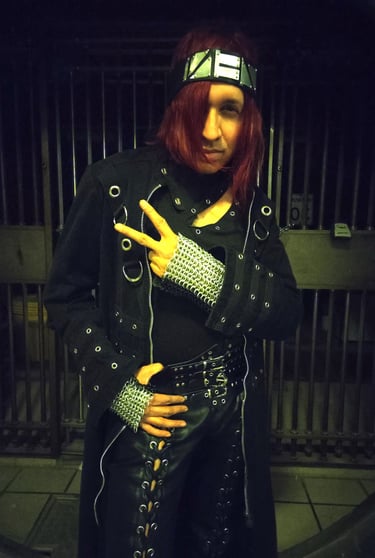
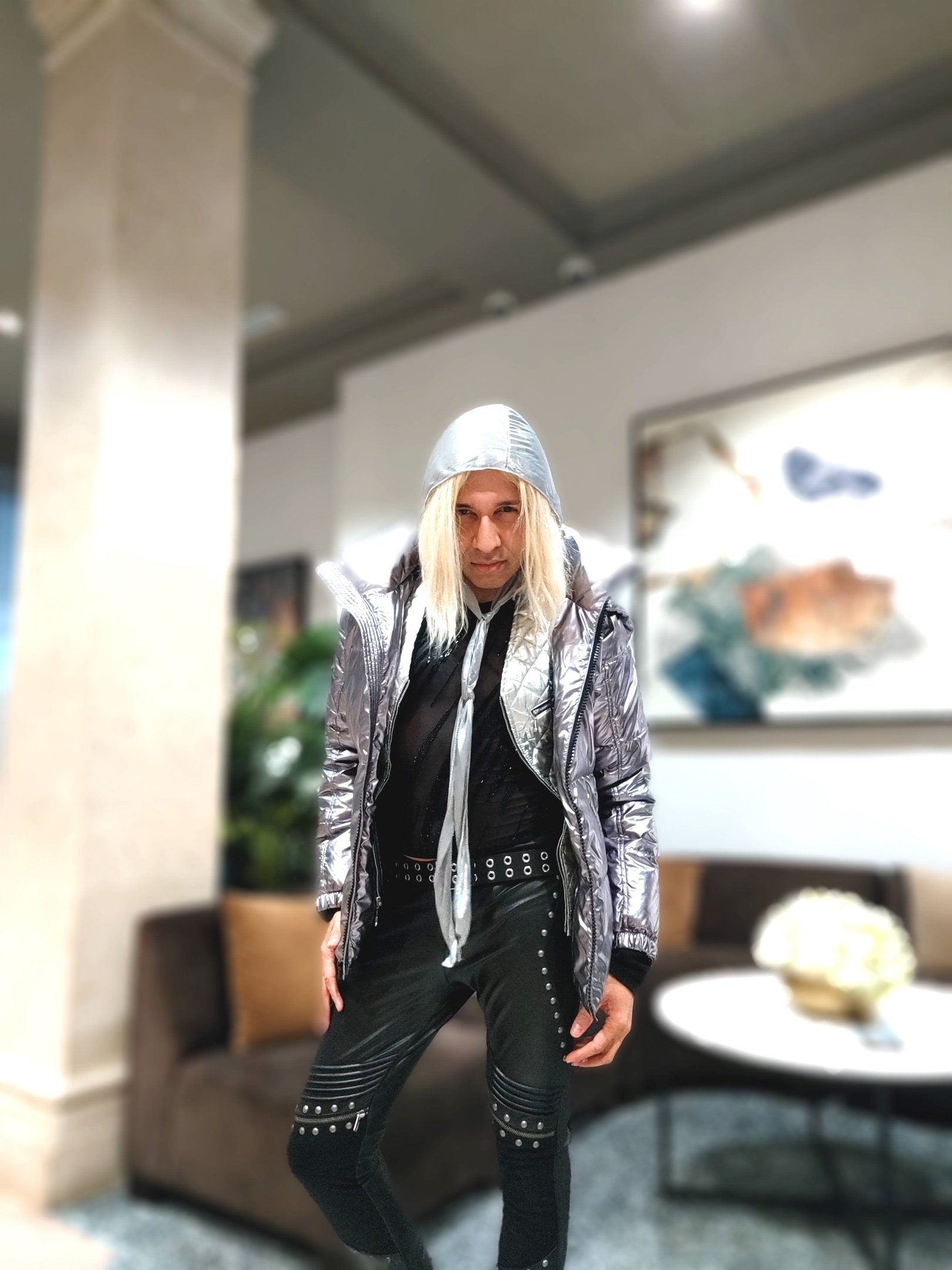
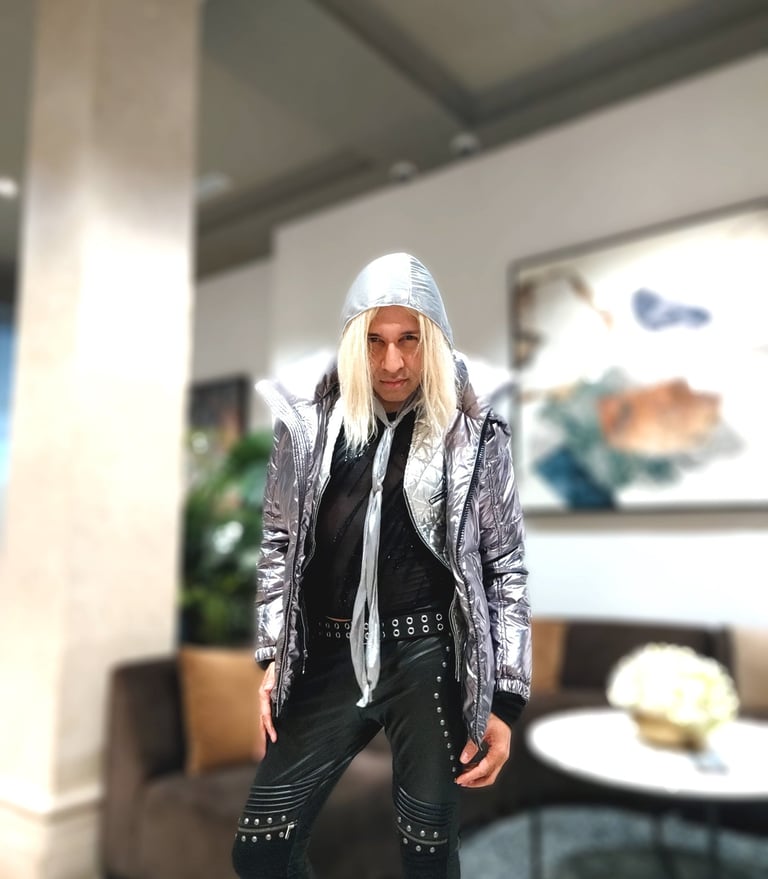
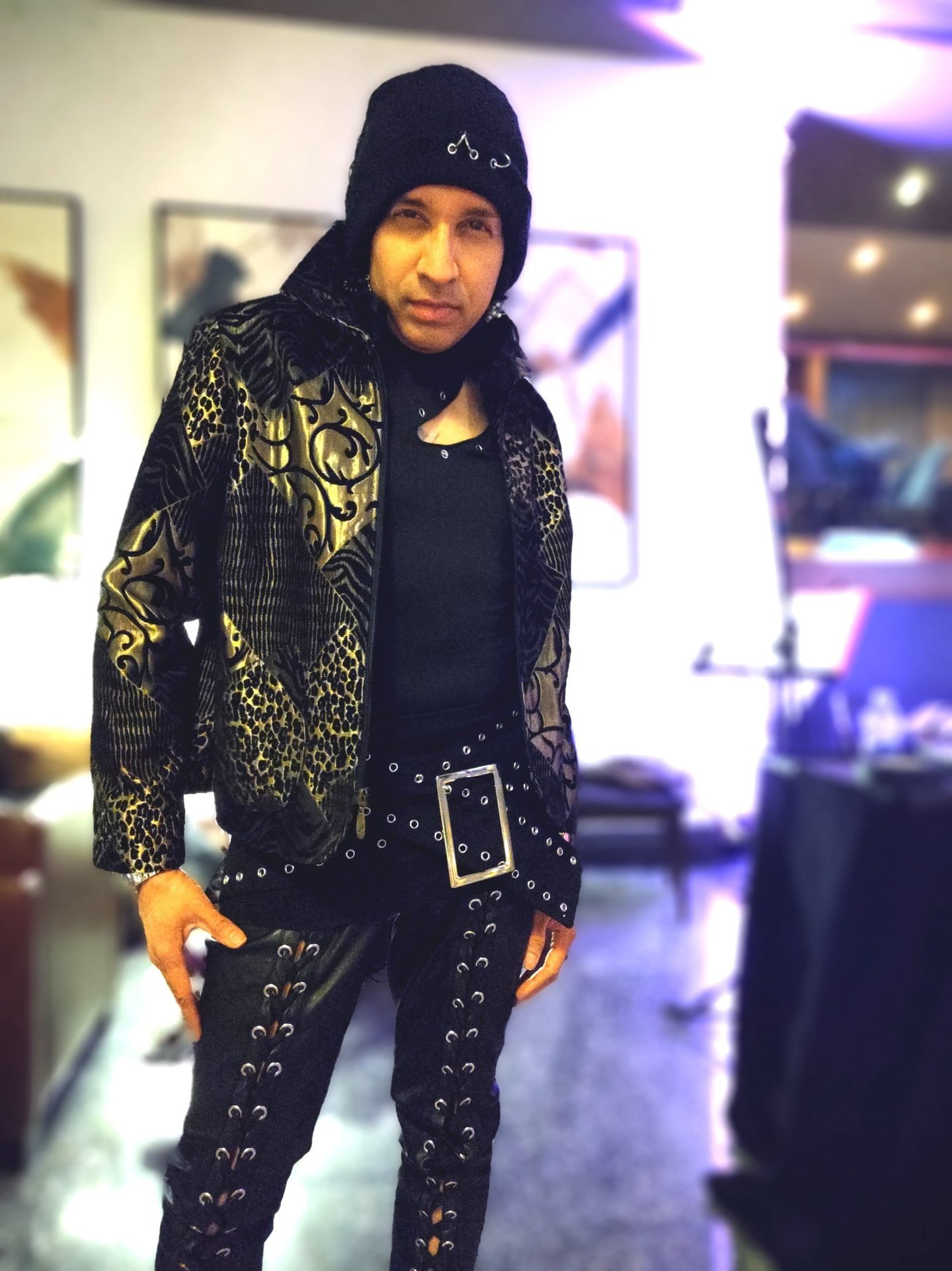
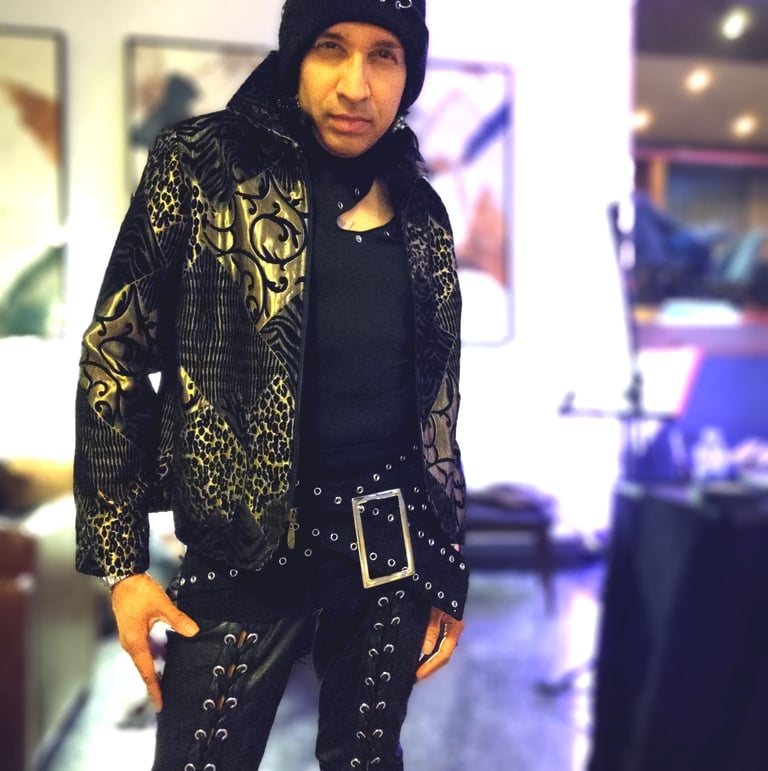
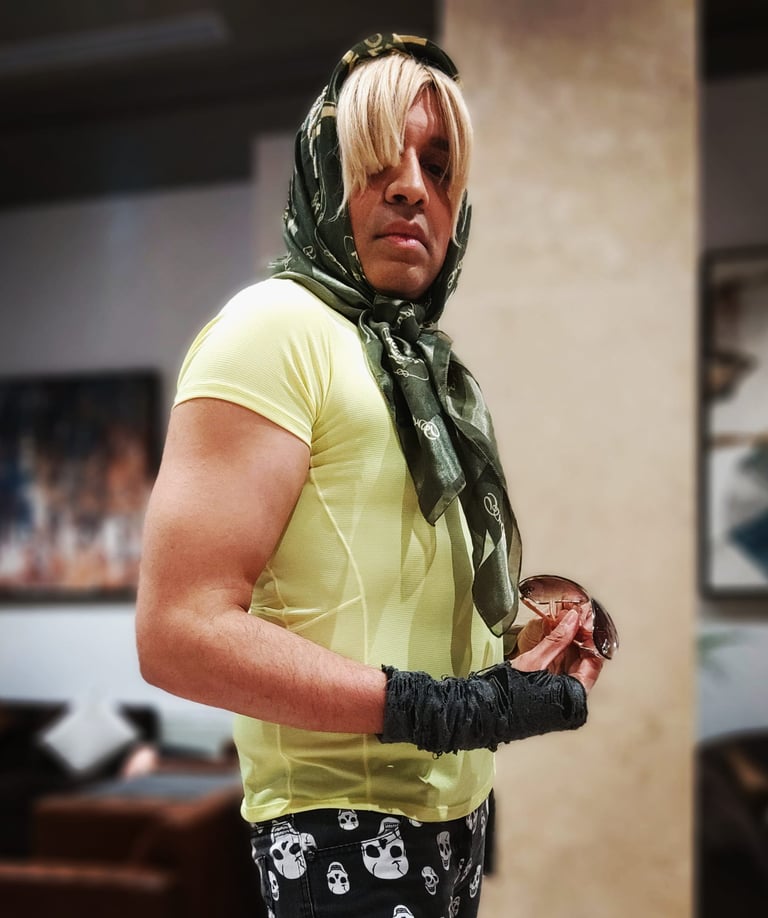
Soho: Visuals play a key role in K-pop. All of the coolest brands have K-Pop ambassadors -- be it Chanel with Jennie, or Louis Vuitton with Lisa or Bottega with RM or Dior with Jisoo and the list goes on. And this is excellent for giving Asians the Main Character Energy that changes stereotypes. Even when Jennie raps on Solo -- "Solo, oh well, all me Cross C's Coco Chanel" or when Lisa clarifies "Still in Celine, Designer Crimes or it wouldn't be me", -- its quite undeniable that fashion is vital to Kpop. So we spent a lot securing limited edition fashion ensembles from the absolute top brands from Chanel and Louis Vuitton to Dolce & Gabanna and even Christian Louboutin boots which are not comfortable to walk in let alone dance in -- but make the ultimate statement. But while many films just flash some logos, we pay homage to the legacy, heritage and meaning behind the fashion brands and pay a genuine tribute to the designers. I also debut many unique, custom made fashion accessories from the Ronin Soho Collection and they are uber intricate taking hundreds of man hours to fuse the highest quality leather, chainmail and embedded LED lights. Jennie's video on the smash Zen depicts futuristic versions of the Wonhyo female Zen Buddhist warriors of Silla, Korea and the Ronin Soho collection -- which was designed before the release of Jennie's breathtaking Video for Zen -- pays a cool, futuristic tribute to Hwarang warriors who are the predecessors of K-pop stars -- fashionable role models that were also skilled in music and dance. In fact, I am also the first in fashion to feature custom made blazers in one of a kind silk fabric with hakamas and traditional Asian skirts worn by men during the Golden eras of Korea, Japan and China. So I am very proud of the Ronin Soho Collection that boasts the highest artisanal craftsmanship and fuses Eastern and Western elements like the legendary Issey Miyake. The film is in post production and so this year itself both the film, and the fashion line prototypes inspired by the film, will be ready. My team has put up a website www.RoninSoho.net which we will develop for the Fashion ensembles.


OUR ADDRESS
Gangnam, Seoul I Harajuku, Tokyo
Other Links:
All ideas, images and text are the exclusive property of SØHØ and protected by strict laws governing copyright infringement. Please do not use any of the above without written permission. Thanks for your cooperation.